


Skip bin permits in south africa: the complete guide

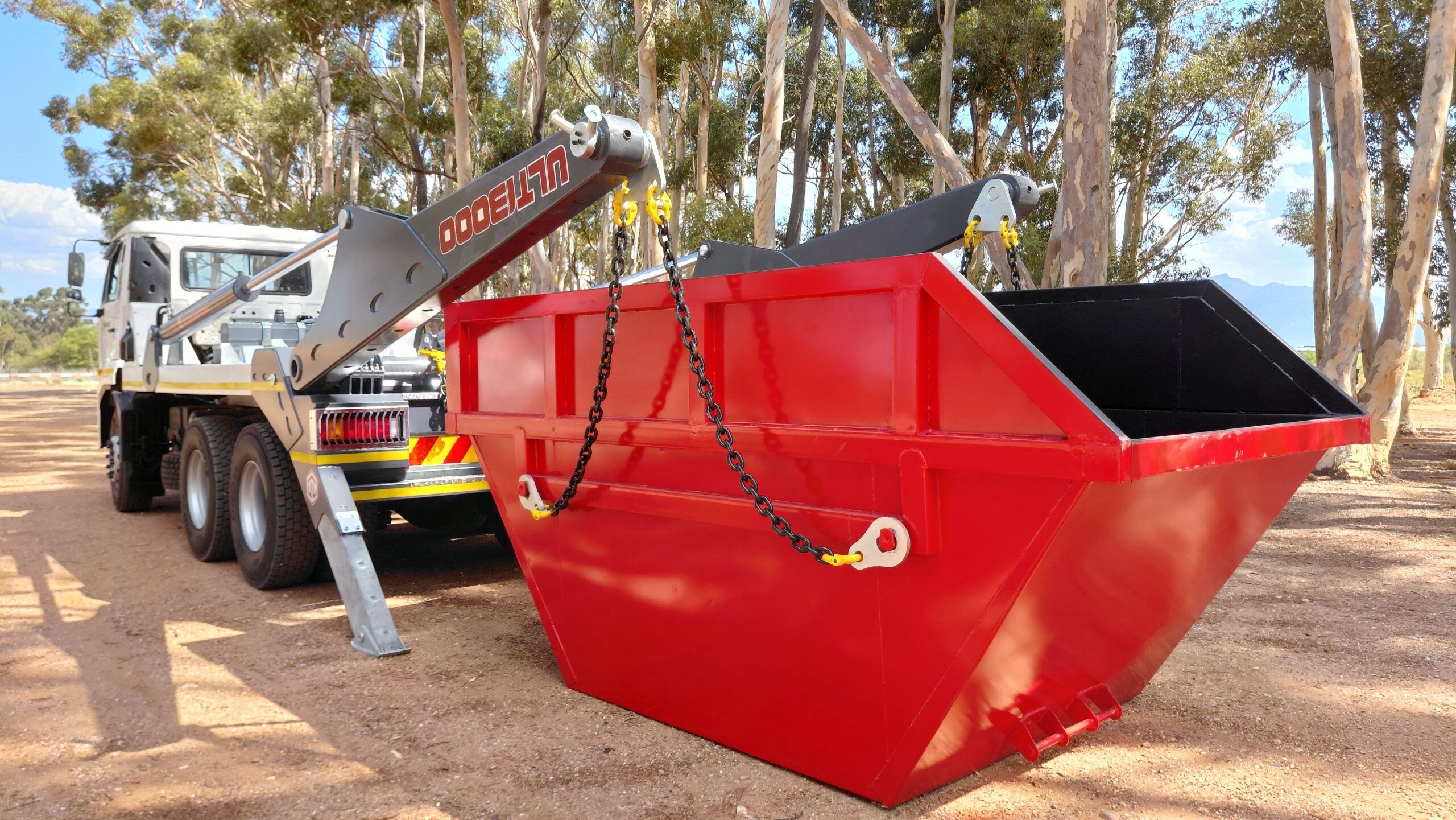
Planning a home renovation, garden cleanup, or construction project? You’ve probably considered hiring a skip bin to handle the waste. But before that skip bin arrives at your property, there’s an important question many South Africans overlook: Do you need a permit?
The answer isn’t always straightforward. Skip bin regulations in South Africa operate across three different government levels, and what’s required in Johannesburg might differ from Cape Town or Pretoria. This guide breaks down exactly when you need a permit for your skip bin hire and how to get one without delays or fines.
When You DON’T Need a Skip Bin Permit
Let’s start with the good news. In most cases, you won’t need a permit if:
- The skip bin is placed entirely on your private property (driveway, yard, or parking area within your property boundary)
- The skip bin doesn’t obstruct public pathways or roads
- You’re hiring from a licensed, accredited waste service provider who handles the regulatory requirements
Most residential customers fall into this category. If you have enough space on your property for the skip bin delivery, you can typically proceed without any additional permits.
When You DO Need a Skip Bin Permit
Here’s where it gets more complex. You will need a permit in these situations:
1. Placing Skip Bins on Public Roads or Pavements
This is the most common scenario requiring a permit. If your driveway is too narrow, your property doesn’t have suitable access, or you simply don’t have space on your property, the skip bin will need to sit on:
- The street or public road
- A pavement or sidewalk
- The verge (grassed area between your property and the road)
In these cases, you’re using public space, which requires permission from your local municipality.
2. What the Permit Is Called
Different municipalities use different terminology:
- Wayleave Permit (most common term)
- Traffic Department Permit
- Road Occupancy Permit
- Public Space Usage Permit
Despite the different names, they all serve the same purpose: granting you temporary permission to place a skip bin on public property
Skip Bin Permit Requirements and Conditions
When a skip bin is placed on a public road or pavement, strict safety regulations apply. Your skip bin hire company should ensure compliance, but it’s worth knowing the rules:
Safety Requirements
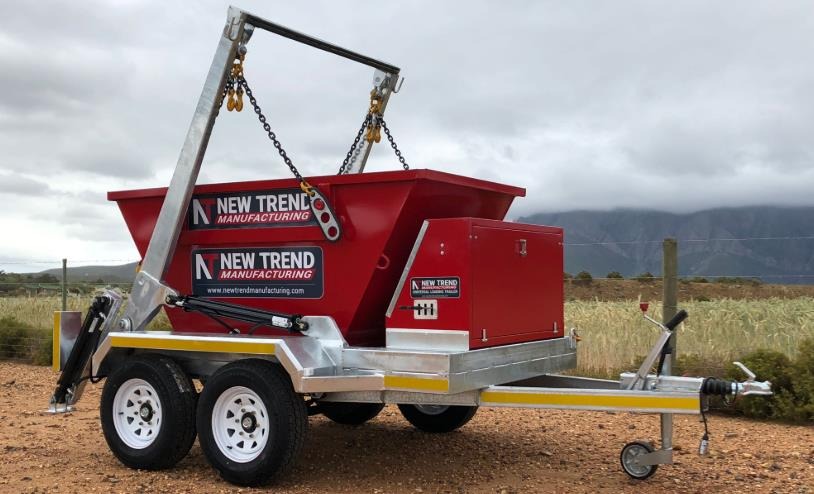
Reflective Tape: Skip bins placed on public property must have reflective chevron tape on all sides for night-time visibility. This helps prevent accidents with vehicles and pedestrians.
Traffic Flow: The skip bin cannot obstruct:
- Traffic lanes or vehicle movement
- Pedestrian walkways or accessibility routes
- Emergency vehicle access
- Bus stops or loading zones
Duration Limits: Some municipalities charge a daily rental fee for the public space used. The longer your skip bin stays on the road, the higher your permit costs may be.
How to Get a Skip Bin Permit: Step-by-Step
The process varies by municipality, but here’s the general approach:
Step 1: Contact Your Local Municipality
Before your skip bin is delivered, call or visit:
- Your municipal traffic department
- The roads and transport department
- The waste management division
Ask specifically about wayleave permits or road occupancy permits for skip bins.
Step 2: Submit Your Application
You’ll typically need to provide:
- Your residential or business address
- The exact location where the skip bin will be placed
- The intended duration (how many days you need the skip bin)
- The size of the skip bin
- Your contact information
Step 3: Pay the Permit Fee
Costs vary significantly by municipality. Some charge:
- A flat fee per permit application
- A daily rate for each day the skip bin occupies public space
- No fee at all (in some smaller municipalities)
In major metros, expect to pay anywhere from R50 to R500+ depending on the duration and location.
Step 4: Display Documentation
Once approved, you may receive:
- A physical permit to display on or near the skip bin
- A reference number to provide if questioned by traffic officials
- Specific conditions you must comply with

Municipality-Specific Permit Rules
Skip bin permit requirements differ across South Africa’s major cities. Here’s what you need to know:
City of Johannesburg
Governed by the Waste Management By-laws, Johannesburg requires JMPD (Metro Police) clearance for skip bins on public roads. Your skip bin provider should handle this, but delays can occur during peak periods. Plan ahead and book your skip bin delivery well in advance if you’ll need road placement.
City of Cape Town
Cape Town’s Integrated Waste Management By-law places high emphasis on recycling and waste minimisation. While the permit process is similar to other cities, Cape Town has stricter enforcement around waste separation. Ensure your skip bin provider is registered with the City’s Solid Waste Management Department.
City of Tshwane (Pretoria)
Tshwane’s Solid Waste By-Law focuses heavily on preventing illegal dumping. An interesting note: skip bins have serial numbers, and if contents are illegally dumped, authorities will trace the bin back to the service provider. This is why reputable skip bin companies in Pretoria are particularly careful about waste disposal documentation.
Who Actually Gets the Permit: You or Your Skip Bin Company?
This is one of the most common questions, and the answer is: it depends.
Reputable skip bin hire companies will often:
- Handle the permit application on your behalf
- Include permit costs in their quote
- Have existing relationships with municipal traffic departments
- Know exactly what’s required in their service areas
However, some companies require the customer to obtain their own permit, particularly for:
- Long-term hires (several weeks or months)
- Commercial or construction projects
- Locations where permits are complex or expensive
Always ask upfront when getting quotes:
- “Do I need a permit for my location?”
- “Will you arrange the permit, or do I need to?”
- “Are permit fees included in your price?”
What Happens If You Skip the Permit?
Operating without the required permit can result in:
Municipal Fines: Traffic officials can issue fines ranging from R500 to R2,000+ for unauthorised use of public space.
Skip Bin Removal Orders: Your municipality can demand immediate removal of the skip bin, even if it’s full and your project isn’t complete.
Liability Issues: If an accident occurs involving an unpermitted skip bin on a public road, you or your skip bin provider could face legal liability.
Project Delays: Getting caught without a permit means stopping work while you sort out the paperwork, often costing more time and money than getting the permit upfront.

Alternative Solutions to Avoid Permit Hassles
If the permit process seems too complicated or expensive, consider these alternatives:
On-Property Placement: Rearrange vehicles or temporarily move items to create space on your property. Even a narrow driveway might work for smaller skip bins (2-4 cubic meters).
Neighbour Cooperation: If your neighbour has better driveway access, ask if you can place the skip bin on their property (with their permission, of course).
Smaller Skip Bins, More Frequent Collections: Instead of one large skip bin on the road for two weeks, hire a smaller bin that fits on your property and arrange for more frequent swaps.
Trailer Hire for Small Jobs: For minor cleanups, hiring a trailer you can park on your property might be more practical than dealing with skip bin permits.
Questions to Ask Your Skip Bin Provider
Before booking, clarify these permit-related details:
- “Have you checked if my address requires a permit for skip bin placement?”
- “Will the skip bin fit entirely on my property, or will it need to be on the street?”
- “If a permit is required, do you arrange it or do I?”
- “How much do permits typically cost in my area?”
- “How long does the permit approval take?”
- “What happens if the permit is denied?”
- “Are your skip bins compliant with reflective tape requirements?”
Final Thoughts
Skip bin permits might seem like red tape, but they exist for good reasons: public safety, traffic management, and preventing accidents. The good news is that most residential customers won’t need a permit if they have adequate property space.
When permits are required, working with an experienced, accredited skip bin hire company makes the process significantly easier. They understand local regulations, have relationships with municipal departments, and can often expedite approvals.
The key takeaway: Don’t wait until delivery day to think about permits. Discuss placement options and permit requirements when you first contact skip bin providers. A five-minute conversation upfront can save you from fines, project delays, and unnecessary stress.
Ready to hire a skip bin? Contact us today to discuss your project requirements, and we’ll help you navigate the permit process if needed. Our team works across Gauteng and knows exactly what’s required in your municipality.
Need a skip bin for your next project? We offer a range of sizes from 2m³ to 12m³, handle all permit applications, and provide fully compliant, insured service across South Africa’s major metros. Get a free quote today.
