


How to Start a Skip Bin Hiring Business

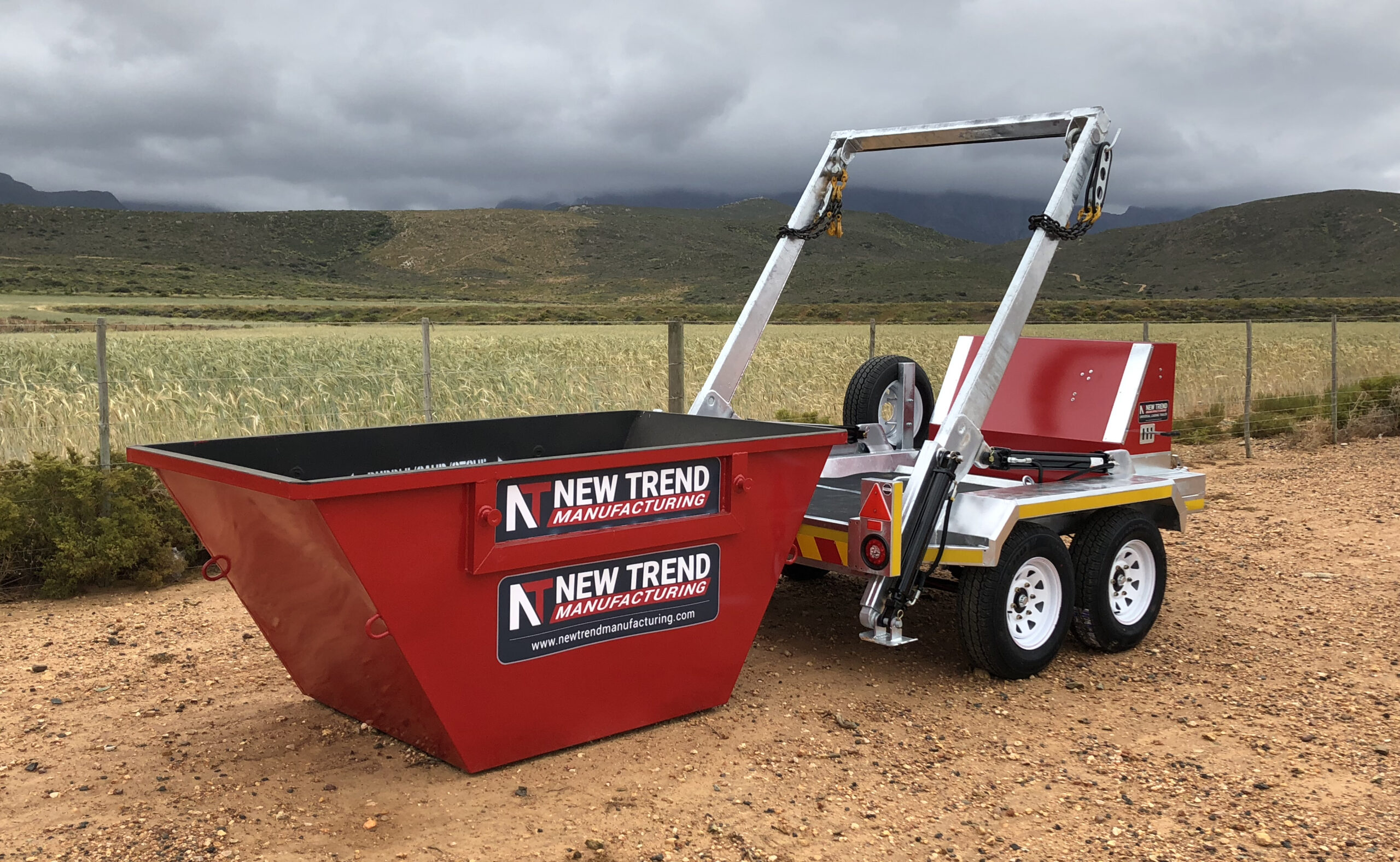
Starting a skip bin hiring business can be a lucrative venture for entrepreneurs interested in the waste management industry. By offering well-maintained bins, dependable delivery, and tailored services, you can position yourself as a trusted provider for residential, commercial, and industrial clients.
This comprehensive guide provides a step-by-step framework for launching a successful skip bin hiring business, including tips on budgeting, selecting the right bins, acquiring industrial trailers, legal compliance, marketing, and scaling your operations.

What Is a Skip Bin Hiring Business and Why Start One?
A skip bin hiring business focuses on providing customers with temporary access to skip bins for waste disposal.
Unlike full waste management companies, a skip bin hiring business primarily rents out containers for a set period, picks them up once filled, and ensures proper disposal.
This business model is attractive because it addresses a consistent and recurring need: people and businesses generate waste that must be removed efficiently, which can’t be done by regular municipal waste removal.
Starting a skip bin hiring business offers several advantages:
there is high demand because construction, landscaping, and renovations create steady waste disposal requirements; it involves low operational complexity compared to processing waste, as skip hire focuses mainly on logistics; it provides a scalable model since you can start small with a few bins and trucks and expand as demand grows; and finally, it benefits from a diverse clientele, as residential homeowners, contractors, industrial clients using industrial trailers, and municipal projects all need skip hire services.
By offering quality waste management solutions, your business can differentiate itself from competitors and establish a loyal customer base.
Steps to Starting Your Own Skip Hire Business
Starting a skip bin hiring business requires careful planning, market research, and operational setup. Below are the core steps for building a successful operation.
Identify Your Ideal Customers
Defining your target market is crucial. Typical customers for skip hire businesses include homeowners needing bins for renovations, garden projects, and spring cleaning household waste.
Construction contractors require large skip bins for rubble, plasterboard, and packaging materials. Landscaping companies generate garden waste, tree branches, and soil that require convenient disposal solutions. Industrial clients, such as factories, warehouses, and manufacturers, often use industrial trailers for heavy or bulky waste.
Finally, commercial businesses, like offices and retail locations, generate regular waste, including packaging and office materials. Understanding your customer needs helps determine bin sizes, service areas, and pricing strategies.
Analyse Competition
Before entering the market, research local skip hire providers to understand the competitive landscape.
Investigate what skip bins competitors offer and how they price their services. Determine if there are service gaps, such as slow delivery, limited bin sizes, or restricted waste types. Consider how you could differentiate your business, perhaps by providing faster service, specialised waste management solutions, or eco-friendly disposal options.
A competitive analysis will inform your fleet size, service offerings, and marketing approach.
Start-Up Costs & Budget Planning
Proper budgeting is critical when starting a skip bin hiring business. You need to account for both initial and ongoing costs to ensure profitability.
Initial Costs
Your startup expenses typically include the cost of purchasing skip bins of different sizes to cater to varied client needs.
You can get quotes from our website here (insert link). Enter your details on the contact us page, and we’ll get right back to you.
You must also acquire trucks and industrial trailers suitable for transporting heavy loads, with industrial trailers being particularly useful for large commercial and construction projects. You will need to secure a depot or storage yard to store bins, maintain trucks, and organise logistics.
Other initial costs include branding and marketing, such as designing a company logo, painting trucks, and advertising online and offline, and the office setup and administration tools, like software for booking, scheduling, and invoicing.
Ongoing Operational Costs
After setup, recurring expenses include fuel and truck maintenance, staff wages, disposal fees at licensed waste facilities, and bin maintenance, which involves repairing or replacing worn skip bins and industrial trailers.
Break-Even & Profitability
To project profitability, you must estimate the average hire duration per customer and the number of hires required per week to cover costs. You should also calculate the revenue per bin type and account for seasonal fluctuations in demand (such as construction peaks or landscaping seasons). https://swoopfunding.com/za/business-loan-calculator/revenue-calculator/ (revenue calculator). Monitoring these metrics helps optimize operations and maximize profit.
Choosing the Right Skip Bins
Selecting the appropriate bins is crucial for customer satisfaction and operational efficiency.
Bin Types to Start With
Offer a range of bin sizes to ensure your service meets diverse customer needs. Mini skips (2–4 m³) are ideal for household projects and small-scale renovations, while medium skips (6–8 m³) are suitable for commercial or garden waste. Large skips (10–12 m³) should target construction contractors and industrial clients. (Add links to New Trend product page)
Materials & Manufacturing Quality
Durable, high-quality skip bins last longer and reduce maintenance costs. Look for heavy-duty steel construction with reinforced bottoms and high-quality welding and lifting points for safe handling. Ensure the bins are compatible with industrial trailers for transporting bulky or heavy loads. Investing in reliable equipment ensures safety and builds trust with clients.
How Many Bins Do You Need to Start
Begin with a small, versatile fleet to manage initial demand. You should track which bin sizes are most popular and expand your fleet accordingly. Additionally, consider including some specialised bins for industrial or hazardous waste if you are targeting commercial clients.
Vehicles & Equipment
Efficient delivery and collection depend on reliable vehicles and supporting equipment.
Skip Trucks
You will need hook-lift trucks or roll-on/roll-off trucks that can handle multiple bin sizes. Ensure the payload capacity matches your bin fleet, and remember that regular maintenance is essential to reduce downtime and avoid service delays.
Essential Equipment
The essential equipment includes the skip bins for the disposal of waste and the right trailers and support equipment to move the equipment.
Setting Up Operations
Operational efficiency is key to profitability and customer satisfaction.
Your Depot or Storage Yard
Your depot should have a central location to store skip bins and industrial trailers and sufficient space for loading, unloading, and maintenance. It must also have proper drainage and environmental compliance.
Hire Workflow
Establish an easy booking system via phone or online platform, an efficient delivery and collection schedule, and clear terms and conditions, including bin hire duration, weight limits, and prohibited items.
Waste Disposal Partnerships
It is necessary to partner with licensed transfer stations and recycling centers and ensure proper disposal of hazardous and industrial waste. Ultimately, you should strive to offer environmentally responsible waste management solutions.

Pricing Your Skip Hire Services
Pricing should reflect costs, customer expectations, and market rates.
You should charge per bin size and hire duration and implement extra fees for overweight loads or prohibited items. Maintain competitive pricing compared to local providers while ensuring you still maintain profit margins.
Consider offering packages for recurring commercial clients using industrial trailers. Transparent and fair pricing builds customer trust and encourages repeat business.
Marketing Your New Skip Hire Business
Effective marketing drives customer acquisition and brand awareness.
Branding
Develop a professional company name and logo and ensure the branding is visible on skip bins and industrial trailers for maximum visibility. Maintain consistent branding across online and offline channels.
Local SEO & Google Business Profile
Optimize your online presence to be easily found. You should optimize for “skip bins near me” and related local keywords, encourage customer reviews to boost credibility, and list your business in local directories and maps.
Online Ads
Run Google Ads targeting homeowners, contractors, and commercial clients. Highlight key selling points like quick delivery, reliable waste management solutions, and versatile bin sizes.
Offline Marketing
Distribute flyers at hardware stores, nurseries, and construction suppliers. Seek partnerships with builders, landscapers, and industrial companies. Consider sponsorships or local events to increase visibility.
Conclusion
Starting a skip bin hiring business offers a profitable entry into the waste management sector. By carefully planning your fleet, investing in high-quality skip bins and industrial trailers, adhering to legal requirements, and offering reliable waste management solutions, you can build a scalable and successful business. Start small, focus on customer satisfaction, and expand strategically as demand grows. With the right combination of equipment, operations, and marketing, your skip hire business can become a trusted provider in your community.

Bibliography:
I. Primary National Legislation
All operations must be conducted in compliance with the following core national acts:
1. National Environmental Management: Waste Act 59 of 2008 (NEM:WA)
This is the principal law governing waste management.
-
- General Duty: The Act imposes a “General Duty” on all persons handling waste to take reasonable measures to prevent pollution and ecological degradation.
-
- Waste Definition and Classification: You must understand how NEM:WA defines and classifies different waste types (e.g., General Waste, Hazardous Waste, Inert Waste) to ensure proper segregation and disposal.
-
- Chapter 4: Governs the storage, collection, and transportation of waste. This section dictates the necessary standards for your bins, vehicles, and operational procedures.
2. National Environmental Management Act 107 of 1998 (NEMA)
The overarching framework for environmental management.
-
- Environmental Impact Assessment (EIA): May be required if you establish a permanent waste transfer station, sorting facility, or depot that qualifies as a listed waste management activity under NEM:WA.
3. Road Traffic Act 93 of 1996
Governs vehicle and driver compliance for all commercial transport.
-
- Vehicle Licensing and Roadworthiness: All skip trucks must be roadworthy and correctly licensed for commercial use.
-
- Driver Compliance: Drivers must hold the appropriate Commercial Driver’s Licence (PrDP) for transporting goods for reward.
-
- Load Management: Strict adherence to vehicle Gross Vehicle Mass (GVM) and axle weight limits is essential. Overloading skip bins is illegal and dangerous.
II. Essential Permits, Licenses, and Registration
1. Business & Tax Registration
-
- Company Registration: Registration with the Companies and Intellectual Property Commission (CIPC).
-
- Tax Compliance: Valid Tax Clearance Status (TCS) or PIN from the South African Revenue Service (SARS).
-
- B-BBEE Compliance: Adherence to Broad-Based Black Economic Empowerment (B-BBEE) requirements for contracts, especially when tendering for government or municipal work.
2. Waste Management & Transport Permits
| Requirement | Issuing Authority | Purpose & Compliance Note |
| Waste Transportation Permit | Local Municipality (City/Town Council) | Mandatory in most areas. This permit authorizes you to transport waste within the municipal jurisdiction. The permit disc must typically be displayed on the vehicle, and is required to access municipal disposal sites. |
| SAWIS Registration | DFFE (via the South African Waste Information System) | Mandatory if thresholds are exceeded. If your business handles, collects, or disposes of waste volumes above the limits specified by the DFFE, you must register and submit monthly or quarterly reports on waste types and volumes. |
| Safe Disposal Certificate (SDC) / Waste Manifest | Licensed Landfill or Transfer Station | Required for every load. This is the receipt/certificate provided by the licensed disposal facility, proving the waste was safely and legally disposed of at a permitted site. These must be retained for audits. |
| Waste Management Licence (WML) | DFFE or Provincial Environmental Department | Required for depot operations. If your yard is a “waste storage facility” or “transfer station” that involves activities like sorting, processing, or storing volumes exceeding regulated thresholds, you must obtain a WML. |
3. Municipal By-Laws and Placement
-
- Municipal Waste Management By-Laws: You must acquire and adhere to the specific Waste Management By-Laws for every local authority you operate in (e.g., City of Johannesburg, eThekwini Municipality, City of Cape Town).
-
- Sidewalk/Street Permits (Public Space): If a skip bin is to be placed on any public property (pavement, sidewalk, road, verge), a Road Closure Permit or Skip Placement Permit must be obtained from the local municipality before deployment.
III. Operational and Quality Standards
1. Skip Bin Specifications
-
- Structural Integrity: Skip bins must be constructed to sufficient strength and structural integrity, typically using durable steel gauges, to prevent leaks or bursting during ordinary use and transportation.
-
- Safety Markings: Bins must clearly display the company name and an all-hours contact number on visible sides for public safety and accountability.
-
- Security: Bins should be capable of being covered (e.g., with a weather-proof tarpaulin) during transport and when placed on-site, to prevent littering and rainwater ingress.
2. Record Keeping
Compliance Audits: Maintain meticulous records of:
-
- Customer Invoices and Service Dates.
-
- Vehicle Maintenance Logs.
-
- All SDCs/Waste Manifests proving legal disposal.
-
- SAWIS Submissions (if applicable).
- Staff Training Records (especially in waste handling and safety)